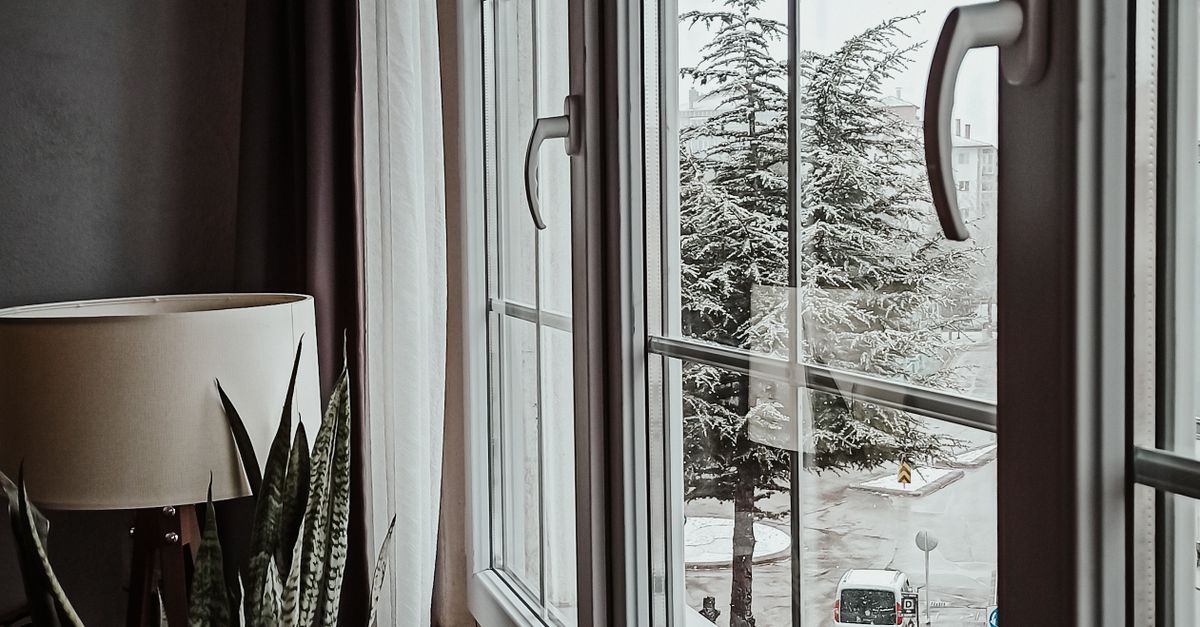
Stepwise Instructions for Fitting Double Glazed Windows
Table Of Contents
Fitting the New Double Glazed Windows
Begin by carefully removing the old window frames. Ensure that you take care to protect the surrounding walls and any existing structures. Measure the opening for the new double glazed window frame accurately to avoid fitting problems later on. It is crucial to prepare the area properly, cleaning out debris and ensuring the surface is level. Use a spirit level to check the alignment of the window.
Once the old frame has been removed and the opening is clear, position the new double glazed window into the space. Make sure it sits evenly within the frame, providing adequate clearance on all sides. Use packing shims as necessary to achieve a level placement. Secure the window in place temporarily before fully fixing it. Drill the screws into the frame, ensuring not to overtighten, as this can warp the glass or damage the frame.
Step-by-Step Installation Guide
Begin by measuring the window frame accurately to ensure a proper fit for the new double glazed units. Use a level to confirm that the frame is square, paying attention to any irregularities that may require adjustments. Once measurements are verified, carefully remove the old window and clean the area to eliminate debris and dust. This preparation step is crucial for achieving a secure installation.
Next, position the double glazed window into the frame. Ensure the window sits evenly within the opening. Secure it temporarily with clamps or by using wedges to hold it in place. Check once again that the window remains square and adjust as needed. After ensuring everything is aligned correctly, begin fastening the window using appropriate screws or brackets, ensuring every point of contact is adequately secured for stability.
Sealing and Insulating
To achieve the best insulation and sealing for double glazed windows, it’s crucial to select high-quality materials. Begin by applying a thick layer of acoustic or thermal window sealant around the perimeter of the frame. This will prevent air leaks and enhance the windows' energy efficiency. Ensure that the sealant is evenly spread, with no gaps or bubbles. Be aware that temperature and humidity can affect the curing time, so allow adequate drying time as per the manufacturer's instructions.
After the sealant has cured, check for air leaks using a simple smoke test or a lit candle. Carefully pass the flame around the edges of the window frame. Any flickering indicates air movement, suggesting incomplete sealing. By rectifying these areas, you’ll improve soundproofing and thermal performance. Consider using weather stripping in addition to the sealant for areas that may require extra protection against drafts. This combination will result in a more comfortable indoor environment year-round.
Ensuring a Tight Fit
Achieving a secure fit for double glazed windows is essential for optimal insulation and energy efficiency. Begin by carefully checking the window frame for any gaps or irregularities. Ensure that the frame is level and square, which is crucial for proper installation. Use packers if necessary to adjust the position and achieve a snug fit within the opening. This step helps to minimise the risk of air leakage and prevents potential issues with the window seal.
Once the window is in place, focus on securing it with screws or brackets designed for this purpose. Tighten the fasteners uniformly to avoid any distortion of the frame. It is important to check that the window opens and closes smoothly after installation. Address any misalignment immediately, as even slight shifts can impact performance and lead to complications later. Inspect the entire perimeter for uniformity and ensure that the installation is as tight as possible to enhance the window's overall effectiveness.
Checking for Proper Operation
After fitting your double glazed windows, it is essential to ensure everything is functioning correctly. Start by opening and closing each window several times to examine the movement. Pay attention to any sticking or difficulty in operation. Proper alignment is critical for ensuring that the windows can easily operate without excessive force. If any issues arise, adjustments may be needed to the frame or hinges.
Next, check for proper sealing when the windows are closed. This step is crucial in preventing drafts and moisture from entering your home. Run your hand around the edges to feel for any air leaks. If you detect any gaps, consider adding weather stripping or adjusting the seals. A well-fitted window will provide optimal thermal efficiency and enhance the overall comfort of your living space.
Testing Window Functionality
After installing double glazed windows, it is essential to ensure they operate smoothly. Start by opening and closing each window multiple times. Listen for any unusual sounds that may indicate misalignment or obstruction. Check the locking mechanisms to confirm they engage properly. Any resistance or difficulty in operation should be addressed promptly to avoid long-term issues.
Next, inspect the windows for any gaps or drafts when closed. Use your hand to feel for any airflow around the edges. It's crucial to assess the seals, as even a small breach can affect energy efficiency. If you notice any problems, adjustments may need to be made to the frame or the seals. A properly functioning window not only provides comfort but also enhances the overall performance of the building.
FAQS
What tools do I need to fit double glazed windows?
You will need a tape measure, level, screwdriver, utility knife, caulking gun, and potentially a hammer and chisel, depending on the existing window frame condition.
How long does it take to install double glazed windows?
The installation process can take anywhere from a few hours to a full day, depending on the number of windows being fitted and your experience level.
Can I fit double glazed windows myself, or should I hire a professional?
If you have some DIY experience and are comfortable with tools, you may be able to fit the windows yourself. However, hiring a professional ensures proper installation and avoids potential issues.
What should I do if my new double glazed windows do not close properly?
If the windows do not close properly, check to ensure they are level and aligned correctly. You may need to adjust the hinges or the frame. If the issue persists, consult a professional.
How do I maintain my double glazed windows after installation?
Regularly clean the glass with a soft cloth and mild detergent, check seals for wear, and ensure that the window tracks are free of debris for smooth operation.
Related Links
Detailed Process for Installing Energy-Efficient Double Glazed WindowsA Beginner's Guide to Double Glazed Window Installation in Perth
Complete Manual for Installing Double Glazed Windows Successfully
Key Phases in the Installation of Double Glazed Windows
Installing Double Glazed Windows: A Detailed Procedure