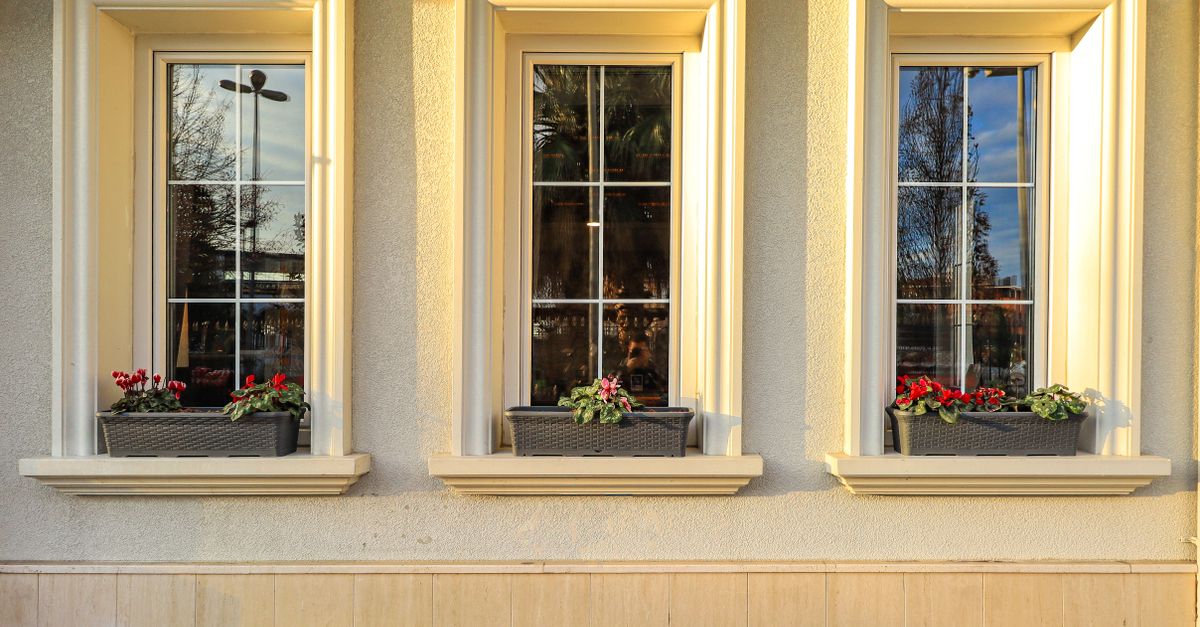
Installing Double Glazed Windows: A Detailed Procedure
Table Of Contents
Selecting the Right Double Glazed Windows
Choosing the right double glazed windows requires careful consideration of several factors, including the materials, glazing options, and frame types. These elements significantly affect both the aesthetic and performance of the windows. Common materials include uPVC, timber, and aluminium, each offering unique benefits. It’s crucial to match the material to both the existing architecture and the climate of the region, as different materials perform differently in varying conditions.
Energy efficiency should be a primary concern during selection. Look for windows with low U-values that indicate better insulation properties. The type of gas used between the panes, such as argon or krypton, can enhance thermal performance. Additionally, consider the framing technique and the overall design, which can impact how well the windows fit within the building’s structure. Evaluating these factors will help in making an informed decision that maximises both comfort and energy savings.
Factors to Consider When Choosing
Selecting the appropriate double glazed windows involves considering various factors that can significantly impact performance and aesthetics. The location and climate of your home play a crucial role in determining the type of glazing that will offer optimal energy efficiency. For instance, properties in areas with extreme temperatures may benefit from low-emissivity (low-E) glass, which reflects heat while allowing light to enter. Noise reduction is another consideration; homes in busy urban settings might require laminated glass for enhanced sound insulation.
The frame material is equally important. Options like uPVC, timber, and aluminium each come with unique benefits regarding durability, maintenance, and thermal performance. The design and style of the windows should align with the architecture of your home, ensuring not only functionality but also visual appeal. Checking for the energy rating label can assist in evaluating the efficiency of the windows, allowing homeowners to make informed decisions that contribute to long-term savings on energy bills.
Installing the Window Frame
The correct positioning of the window frame is crucial for ensuring the integrity and functionality of double glazed windows. Begin by preparing the opening, ensuring that it is clean and free from any debris. It is important to check that the sides of the frame align with the wall and that there are no gaps. Adjusting the frame may require the use of shims to maintain it level and plumb. Once the frame is properly positioned, secure it loosely in place with screws. Avoid tightening them fully until all adjustments have been made.
After stabilising the frame, focus on its final installation. Use a level to verify that the frame remains straight and plumb, making small adjustments as necessary. When satisfied, finish securing the frame by tightening the screws evenly, ensuring it is firmly held without distortion. This step is essential as any misalignment could lead to complications later in the installation process, including problems with sealing and insulation. Proper installation at this stage sets the foundation for a successful double glazing project.
Proper Techniques for Frame Installation
When installing the frame, it is vital to ensure that the area is clean and free from debris. Begin by measuring the opening carefully to confirm that it matches the size of the double glazed window frame. A snug fit prevents issues related to drafts and moisture later. It is advisable to use a spirit level to check that the frame is perfectly plumb and square before securing it in place. This ensures that the window sits correctly and operates smoothly.
Once the frame is positioned, use appropriate screws or fixings to secure it firmly to the wall. It is crucial to avoid over-tightening, which can warp the frame. Adding packers where necessary can help to maintain the alignment and stability of the frame. After securing the frame, check that it is still level and aligned correctly. This attention to detail during installation will lead to a more efficient and aesthetically pleasing final result.
Sealing and Insulating
An effective sealing and insulating process is crucial for maximising the energy efficiency of double glazed windows. Begin by applying a high-quality sealant around the perimeter of the window frame. Choose a product specifically designed for use with glass and frames to ensure a snug fit and airtight barrier. Carefully smooth the sealant with a putty knife to remove any excess and create a neat finish. This step not only reduces the risk of air leaks but also aids in preventing moisture intrusion, which could lead to potential mould issues.
Insulation is another essential component in this procedure. Consider incorporating expanding foam insulation in the spaces between the window frame and the wall structure. This material effectively fills gaps that may otherwise allow air transfer. Ensure the foam is applied evenly and does not over-expand, which can warp the frame. For added thermal performance, use insulating strips along the edges of the window before fitting. This combination of sealing and insulating provides a comprehensive solution that enhances comfort in your home while lowering energy costs.
Ensuring Energy Efficiency
Energy efficiency plays a crucial role in enhancing the overall performance of double glazed windows. When installing these windows, proper sealing is essential to prevent air leaks. Ensure that all gaps around the frame are filled with weatherstripping or foam insulation. This not only maintains a consistent internal temperature but also helps in reducing heating and cooling costs.
In addition to sealing, choosing high-quality materials for the frames can significantly influence energy efficiency. Consider options like uPVC or aluminium with thermal breaks. These materials assist in reducing heat transfer, further contributing to a stable indoor environment. Regular maintenance, including checking seals and cleaning glass surfaces, will also maximise the efficiency and longevity of double glazing benefits.
FAQS
What are double glazed windows?
Double glazed windows consist of two panes of glass separated by a space filled with gas, which helps to enhance insulation and energy efficiency in buildings.
How do I choose the right double glazed windows for my home?
When selecting double glazed windows, consider factors such as the frame material, energy ratings, the climate in your area, aesthetic preferences, and your budget.
What tools do I need for installing double glazed windows?
Essential tools for installing double glazed windows include a measuring tape, level, drill, screws, caulk gun, and a utility knife. Additional tools may vary depending on the specific installation requirements.
Can I install double glazed windows myself?
While it's possible to install double glazed windows yourself if you have experience and the right tools, it’s often recommended to hire a professional to ensure proper installation and sealing for optimal energy efficiency.
How do double glazed windows improve energy efficiency?
Double glazed windows enhance energy efficiency by reducing heat transfer, which keeps your home warmer in winter and cooler in summer, ultimately leading to lower energy bills and increased comfort.
Related Links
A Beginner's Guide to Double Glazed Window Installation in PerthHow to Properly Fit Double Glazed Windows in Your Home
Complete Manual for Installing Double Glazed Windows Successfully
Key Phases in the Installation of Double Glazed Windows
Detailed Process for Installing Energy-Efficient Double Glazed Windows
Stepwise Instructions for Fitting Double Glazed Windows
Comprehensive Guide to Installing Double Glazed Windows in Perth
Your Step-by-Step Approach to Double Glazed Window Fitting